Black hair is known for its deep color, natural elegance, and strong appearance. However, maintaining healthy black hair requires consistent care and proper nourishment. Environmental exposure, daily styling, and lifestyle factors can gradually affect hair texture and moisture levels. Using a hair mask for black hair as part of a regular hair care routine helps maintain softness, strength, and natural shine.
This article provides educational information about hair masks, their purpose, suitable ingredients, and safe usage methods for black hair.
Understanding the Needs of Black Hair
Black hair often requires additional moisture to maintain smoothness and manageability. When hair lacks hydration, it may feel dry or appear dull. Regular conditioning alone may not always provide sufficient nourishment. A hair mask for black hair is designed to offer deeper conditioning and longer-lasting moisture retention.
Different hair textures, including straight, wavy, and curly black hair, can benefit from structured hair care routines that focus on hydration and scalp comfort.
What Is a Hair Mask?
A hair mask is a treatment product applied for a short duration to support hair conditioning. Unlike daily conditioners, hair masks are typically used less frequently and are intended to provide deeper care.
A hair mask for black hair works by helping the hair retain moisture, improving smoothness, and supporting overall hair appearance. Hair masks are not medical treatments and do not replace professional advice for scalp or hair conditions.
Benefits of Using a Hair Mask for Black Hair
Using a hair mask regularly can help improve hair texture over time. It supports moisture balance, making hair feel softer and easier to manage. Well-hydrated hair may reflect light better, which enhances natural shine.
A hair mask for black hair can also help reduce the appearance of dryness caused by heat styling or environmental exposure. Consistent care supports hair strength and helps maintain a healthy look.
Factors That Can Affect Hair Health
Several everyday factors can influence the condition of black hair. Exposure to sunlight, air pollution, frequent washing, and heat styling may reduce moisture levels. Chemical treatments may also impact hair structure.
Incorporating a hair mask for black hair into a balanced routine can help support hair that is exposed to these conditions.
Common Ingredients Used in Hair Masks
Many hair masks contain naturally derived ingredients known for their conditioning properties. Aloe vera is commonly used for hydration. Coconut oil helps reduce moisture loss. Amla is traditionally used in hair care routines for maintaining hair strength and appearance.
These ingredients are included in many formulations of hair mask for black hair products available for home use.
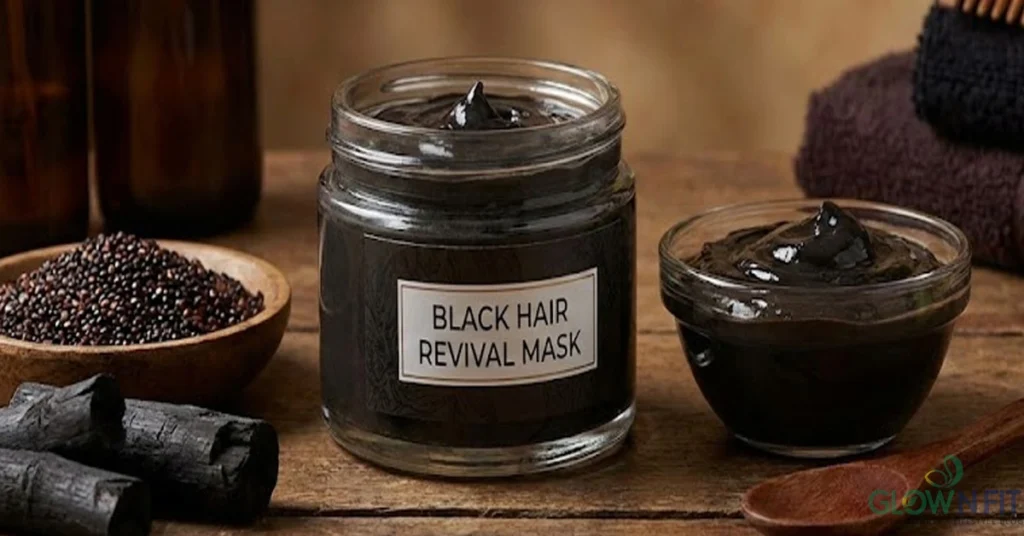
Homemade Hair Mask Options
Some people prefer homemade hair masks using simple household ingredients. These options allow users to control what is applied to their hair. Homemade masks should be prepared carefully and used in moderation.
A homemade hair mask for black hair may include ingredients such as natural oils or plant-based extracts commonly used in personal care routines.
How Often Should a Hair Mask Be Used?
Hair mask usage depends on individual hair needs. Some people use a hair mask once a week, while others prefer less frequent use. Overuse may lead to buildup, which can affect hair texture.
Using a hair mask for black hair occasionally as part of a regular routine is generally sufficient for maintenance purposes.
Hair Mask and Conditioner: Key Differences
Conditioners are usually applied after every wash to provide surface smoothness. Hair masks are used less often and are designed for deeper conditioning.
A hair mask for black hair complements regular conditioning by offering additional moisture support without replacing daily hair care products.
Applying a Hair Mask Correctly
Hair masks are typically applied to clean, damp hair. Focusing on mid-lengths and ends can help improve overall texture. Some masks may be suitable for scalp application, depending on the formulation.
Rinsing thoroughly after use ensures no residue remains. Proper application helps the hair mask for black hair perform effectively.
Hair Care and Scalp Comfort
Scalp comfort plays a role in overall hair appearance. Gentle care, regular cleansing, and balanced conditioning help maintain scalp health.
While a hair mask for black hair supports hair quality, maintaining good hygiene and lifestyle habits is equally important.
Seasonal Hair Care Considerations
Hair care needs may change with weather conditions. Dry climates may increase moisture needs, while humid environments may affect manageability.
Adjusting the use of a hair mask for black hair based on seasonal conditions can help maintain consistent hair quality throughout the year.
Common Hair Mask Usage Mistakes
Applying excessive product does not improve results. Leaving a hair mask on longer than recommended may cause buildup. Using products not suited to hair type may affect texture.
Following instructions ensures that a hair mask for black hair is used safely and effectively.
Long-Term Hair Maintenance
Healthy-looking hair is often the result of consistent care rather than quick solutions. Balanced washing, gentle styling, and periodic deep conditioning support long-term hair maintenance.
A hair mask for black hair is one part of a broader hair care approach focused on cleanliness, hydration, and routine care.
Conclusion
Maintaining black hair involves understanding its unique care requirements and choosing suitable products. A hair mask for black hair can help support moisture balance, smoothness, and overall appearance when used appropriately.
This guide is intended for general informational purposes and encourages mindful, consistent hair care practices for maintaining healthy-looking black hair.