If you’re tired of commercial conditioners filled with ingredients you can’t pronounce, making your own DIY hair conditioner can be a game-changer. Not only do homemade conditioners let you skip synthetic chemicals, but they also give your hair exactly what it needs — whether that’s moisture, protein, or shine. In this post, we’ll explore why DIY hair conditioners are worth trying, walk you through several effective recipes, and help you choose and customize one based on your hair type. Let’s get into the science, the benefits, and real-world tips to make this part of your routine.
Why Choose a DIY Hair Conditioner?
One of the biggest benefits of making your own conditioner is full control over what goes on your scalp and strands. Commercial products often contain parabens, silicones, and synthetic preservatives. On the other hand, a DIY hair conditioner lets you pick natural ingredients — such as avocado, aloe vera, or oils — that are gentler and more transparent. As Dr. Brahmanand Nayak notes, natural conditioners avoid potentially harmful chemicals like parabens and PEGs. Dr. Brahma
Cost-Effective & Eco-Friendly
Many DIY conditioner recipes use simple kitchen staples or pantry items. This means you’re not spending on expensive salon-grade bottles. Plus, you reduce plastic waste by reusing containers. Over time, this can add up in both savings and environmental benefit.
Tailored to Your Hair Needs
Whether your hair is dry, frizzy, colored, or damaged, you can customize your DIY hair conditioner. By mixing and matching ingredients, you can create a formula that precisely targets your hair’s unique needs.
Backed by Tradition & Dermatology
DIY hair conditioners have roots in traditional haircare. Dermatologist Dr. Nidhi Singh Tandon recommends a three-ingredient deep-conditioning mask with fenugreek, yogurt, and coconut oil. The Indian Express Such formulations are not just trends — they draw on generations of haircare wisdom.
Key Ingredients to Use in a DIY Hair Conditioner
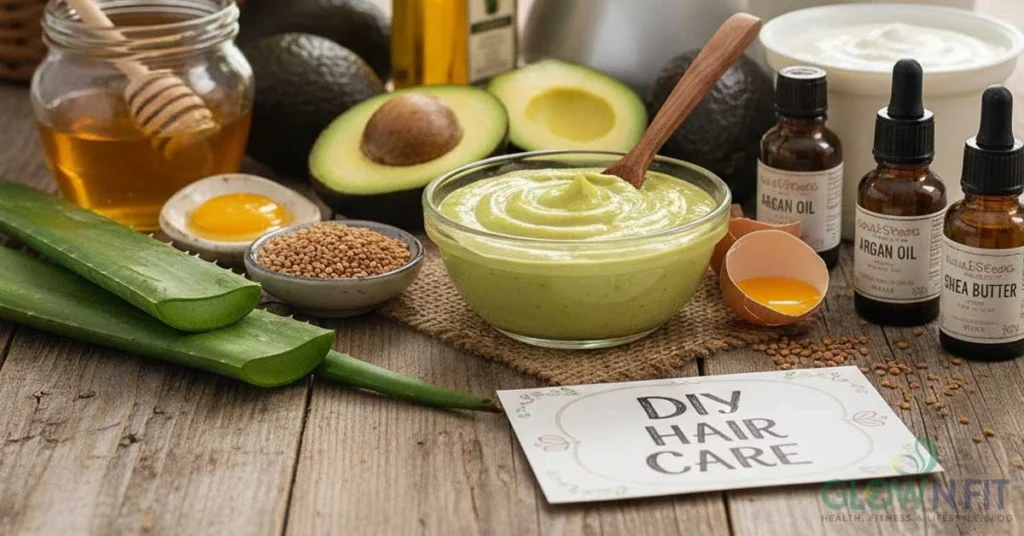
To make an effective, natural DIY hair conditioner, it helps to understand what various ingredients bring to the table. Here are some common ones and their benefits:
-
Aloe Vera Gel: Rich in vitamins A, C, and E, aloe vera soothes the scalp, adds moisture, and has anti-inflammatory properties. blog.hvitamins.com
-
Honey: A natural humectant, honey draws moisture into the hair and helps lock it in. DIY Crafts+1
-
Avocado: Loaded with healthy fats and vitamins, avocado provides deep nourishment and shine.
-
Coconut Oil: Penetrates the hair shaft, strengthens strands, and helps reduce breakage.
-
Fenugreek Seeds: When soaked and blended, they make a conditioning paste rich in protein and nutrients. According to Dr. Tandon’s formula, they support shine and strength. The Indian Express
-
Shea Butter & Argan Oil: These provide emollience and sealing — great for frizz control and softening.
-
Apple Cider Vinegar (ACV): Helps balance the scalp pH, clarifies buildup, and adds shine.
-
Yogurt / Eggs: Provide protein and can help repair hair damage.
6 Effective DIY Hair Conditioner Recipes
Here are six tried-and-tested DIY hair conditioner recipes, ranging from simple to more advanced — you can pick whichever suits your hair type and time commitment.
1. Simple Moisturizing Conditioner (3 Ingredients)
Ingredients:
-
½ cup plain yogurt
-
2–3 tbsp soaked fenugreek seeds (blended)
-
2 tsp coconut oil
How to Make & Use:
-
Soak fenugreek seeds overnight; blend into a paste.
-
Mix with yogurt and coconut oil.
-
Apply to damp hair from scalp to tips.
-
Leave on for 20–30 minutes, then rinse and shampoo.
This is the mask that dermatologist Dr. Nidhi Singh Tandon recommends.
2. Avocado + Olive Oil + Honey Conditioner
Ingredients:
-
1 ripe avocado
-
2 tbsp olive oil
-
1 tbsp honey
How to Use:
-
Mash the avocado until smooth.
-
Stir in olive oil and honey.
-
Apply on damp hair; focus on ends.
-
Leave for 15–20 minutes and rinse with lukewarm water.
This blend deeply nourishes dry or frizzy hair.
3. Coconut Milk + Mayonnaise + Honey + Olive Oil Deep Conditioner
Ingredients:
-
3 tbsp coconut milk
-
½ cup mayonnaise
-
2 tsp honey
-
2 tsp olive oil
How to Make & Use:
-
Mix all ingredients to a smooth consistency.
-
On clean, damp hair, apply the mixture evenly.
-
Cover with a shower cap and let it sit for 20–30 minutes.
-
Rinse thoroughly with cool water.
This recipe helps restore shine and reduce breakage, according to Healthshots.
4. Aloe Vera + Honey Deep Conditioning Mask
Ingredients:
-
¼ cup pure aloe vera gel
-
2 tbsp raw honey
How to Use:
-
Mix aloe vera gel and honey in a bowl.
-
Apply from scalp down to the ends.
-
Leave on for 20 minutes, then rinse with lukewarm water.
This simple combo is soothing and hydrating, and works especially well for an irritated or dry scalp.
5. Banana + Egg + Milk + Honey Conditioning Paste
Ingredients:
-
1 banana
-
1 egg
-
3 tsp milk
-
3 tsp honey
-
3 tsp olive oil (optional)
How to Use:
-
Blend or mash all ingredients into a smooth paste.
-
Apply to hair and scalp.
-
Keep it on for 20–30 minutes.
-
Rinse with cool water.
This is one of the Ayurvedic-inspired recipes recommended by experts.
6. Shea Butter + Argan Oil Conditioner
Ingredients:
-
2 tbsp shea butter
-
1 tbsp argan oil
-
A few drops of essential oil (optional)
How to Use:
-
Gently melt the shea butter (warm but not very hot).
-
Mix in argan oil and optional essential oil.
-
Apply to damp or dry hair, focusing on mid-lengths and ends.
-
Leave for 30 minutes, or use as a pre-shampoo treatment.
-
Wash out or rinse as needed.
This rich, emollient mix is ideal for taming frizz and sealing moisture.
How to Choose the Best DIY Hair Conditioner for Your Hair
Not all homemade conditioners are equal — what works best depends on your hair type and concerns. Here’s a guide:
-
Dry or Frizzy Hair
Choose moisture-rich, emollient recipes like avocado + olive oil + honey, or shea butter + argan oil. -
Damaged or Protein-Deficient Hair
Use recipes with eggs, yogurt, or fenugreek seeds — these provide natural proteins to strengthen hair. -
Oily Scalp
Lightweight treatments with aloe vera and a touch of honey or ACV help without weighing hair down. -
Color-Treated or Delicate Hair
Use gentle, pH-balanced masks (like aloe + honey) and avoid heavy oils frequently. -
Scalp Irritation or Sensitivity
Aloe-based conditioners are calming, while ingredients like fenugreek may help with scalp health.
Tips for Making & Using Your DIY Hair Conditioner Safely
-
Patch Test: Even natural ingredients can cause reactions. Try your blend on a small section before full use.
-
Clean Tools & Containers: Use clean bowls, spoons, and airtight containers to mix and store your conditioner.
-
Use Fresh Ingredients: DIY mixes often lack strong preservatives — make smaller batches, especially for perishable ingredients like yogurt or eggs.
-
Preserve If Needed: If you want a longer-lasting conditioner, research natural preservatives, or store in the fridge and use within a week.
-
Rinse Well: After conditioning, rinse with cool or lukewarm water to close the hair cuticle and lock in moisture.
-
Weekly or Biweekly Use: For best results, use deep-conditioning treatments once a week or every two weeks, depending on how dry or damaged your hair is.
Real-World Evidence & Trust Signals
-
Dermatologist–Backed Recipe: Dermatologist Dr. Nidhi Singh Tandon recommends a DIY deep-conditioning mask of fenugreek, yogurt, and coconut oil, which she uses every two weeks.
-
Academic Research: There are even scientific studies on plant-based conditioners. For instance, researchers formulated a hair conditioner using Annona squamosa (custard apple) extract, highlighting growing interest in natural alternatives.
-
DIY Community Feedback: On Reddit, people working on homemade conditioners with emulsifiers like BTMS-50 share their formulations and advice.
-
Traditional & Ayurvedic Validation: Ayurvedic practitioners like Dr. Brahmanand Nayak endorse ingredients like banana, shea butter, and fenugreek for their conditioning benefits.
Common Mistakes to Avoid
-
Overdoing Protein: Too much egg or yogurt can lead to hair feeling dry or brittle. Use protein masks only when needed.
-
Skipping pH Balance: Low pH (acidic) helps smooth the hair shaft. Consider adding a little apple cider vinegar to balance.
-
Using Old Batches: Without preservatives, DIY conditioners can spoil. Make fresh batches or refrigerate.
-
Using Too Much Oil: Oils nourish, but overuse can leave hair greasy. Start small.
-
Ignoring Scalp Needs: Conditioning only the lengths isn’t enough; scalp hydration and health are just as important.
Creating your own DIY hair conditioner is more than just a fun experiment — it’s a way to take real control of what you put on your hair, nourish it with safe, natural ingredients, and potentially save money and reduce waste. Whether you’re looking to moisturize dry strands, restore damaged hair, or just try a chemical-free alternative, one of the recipes above can serve you beautifully.
Ready to make the switch? Try one of these recipes this week. Let your hair tell you how it feels — then adjust the ingredients as needed to find your perfect mix.