The idea of a biblical diet has gained massive popularity in recent years, especially among people looking for a natural, faith-rooted way of eating that supports holistic health. Many people feel overwhelmed by modern diets—keto, paleo, intermittent fasting, vegan, and more. But the biblical diet offers something different: a simple, balanced, ancestral way of eating rooted in Scripture, wisdom, and nature.
This guide breaks down everything you need to know about the biblical diet—its origins, approved foods, health benefits, biblical food laws, and how you can follow it today without feeling restricted. Whether you’re exploring it for faith, wellness, or lifestyle reasons, this in-depth resource will help you get started with confidence.
What Is the Biblical Diet? (Meaning & Origins)
A biblical diet is a way of eating based on the foods described in the Bible, particularly in the books of Genesis, Leviticus, and Deuteronomy. It focuses on whole, unprocessed foods, mindful eating, and honoring the body as a temple.
Core Principles of the Biblical Diet
The biblical diet is built on these simple foundations:
-
Eat foods God created, not foods manufactured in factories.
-
Choose clean, pure, natural ingredients.
-
Avoid foods labeled “unclean” in Scripture.
-
Use moderation — a recurring biblical theme.
-
Share meals, cultivate gratitude, and avoid gluttony.
Biblical Diet in the Book of Genesis: The Original Eating Plan
According to Genesis 1:29, the original human diet was plant-based:
“I give you every seed-bearing plant… they will be yours for food.”
The Genesis Diet: Foods Included
-
Fruits
-
Vegetables
-
Grains
-
Seeds
-
Nuts
-
Herbs
This is often referred to as the Genesis Diet, promoting natural, garden-grown foods.
Why This Matters Today
Modern research supports this ancient wisdom. A study published by the American Journal of Lifestyle Medicine found that diets rich in plant foods reduce chronic diseases by up to 40%.
Old Testament Food Laws (Clean vs Unclean Foods)
One of the most well-known components of a biblical diet is the list of clean and unclean foods found in Leviticus 11 and Deuteronomy 14.
Clean Meats (Allowed)
These animals must chew the cud and have split hooves:
-
Cattle
-
Bison
-
Goats
-
Sheep
-
Deer
Clean Seafood
Sea creatures must have fins and scales:
-
Salmon
-
Sardines
-
Trout
-
Cod
-
Tuna
Clean Birds
-
Chicken
-
Turkey
-
Dove
-
Duck
Unclean Foods (Avoid These)
-
Pork (no split hoof/does not chew cud)
-
Shellfish (no fins/scales)
-
Rabbit
-
Camel
-
Predatory birds
Unclean foods are avoided not only for spiritual reasons but also for health reasons—many of them carry higher toxin loads.
Foods Commonly Found in the Biblical Diet
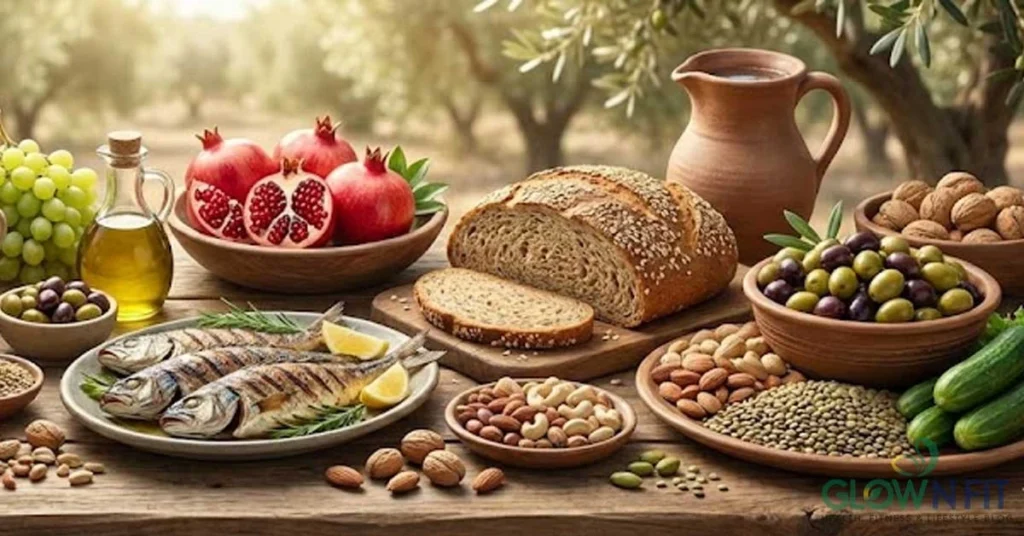
Here is a list of foods commonly accepted in faith-based diets:
Clean Proteins
-
Fish with fins and scales
-
Grass-fed beef
-
Organic chicken
-
Eggs
Healthy Fats
-
Olive oil (mentioned over 140 times in the Bible)
-
Nuts
-
Seeds
Whole Grains
-
Barley
-
Wheat
-
Millet
Fruits Mentioned in Scripture
-
Figs
-
Grapes
-
Pomegranates
-
Dates
-
Olives
-
Apples
Vegetables & Herbs
-
Lentils
-
Beans
-
Cucumbers
-
Garlic
-
Mustard greens
These foods form the foundation of a wholesome, nourishing biblical diet.
Health Benefits of the Biblical Diet
Following a biblical diet may offer several science-backed health benefits:
1. Supports Weight Loss Naturally
Whole foods reduce cravings, improve metabolism, and stabilize blood sugar.
2. Improves Heart Health
Foods like fish, olive oil, and nuts are known to reduce cholesterol levels.
3. Better Gut Health
Fiber-rich foods like whole grains, fruits, and vegetables support digestion.
4. Reduces Inflammation
Processed sugars and refined oils—absent in biblical diets—are major inflammation triggers.
5. Enhances Longevity
Many biblical diet principles mirror the eating habits of modern long-lived populations.
How to Follow a Biblical Diet Today
You don’t need to live like ancient Israelites to follow a biblical diet today. Just follow these steps:
Step 1: Eat Whole Foods as Much as Possible
Avoid fast foods, packaged snacks, sugary drinks, and artificial ingredients.
Step 2: Choose Clean Meats Only
Stick to fish with fins and scales and animals with split hooves.
Step 3: Use Olive Oil as Your Main Fat Source
Biblical olive oil was used for cooking, healing, and anointing.
Step 4: Adopt Biblical Meal Habits
-
Eat in moderation
-
Practice gratitude
-
Avoid gluttony
-
Share meals with family
Step 5: Follow the Daniel Fast Occasionally
Modeled after Daniel’s plant-based meals of vegetables and water.
Sample 7-Day Biblical Diet Meal Plan
Day 1–7 Meal Ideas
Breakfast: Barley porridge with figs
Lunch: Lentil stew with vegetables
Dinner: Grilled fish with herbs and olive oil
Snacks: Dates, nuts, grapes
This weekly rotation keeps meals simple, nutritious, and faith-aligned.
FAQs (People Also Ask)
1. What foods did Jesus eat?
Jesus likely ate bread, fish, olives, figs, honey, and clean meats based on biblical and historical records.
2. Can Christians eat pork today?
Some Christians avoid pork due to Old Testament law. Others believe New Testament teachings allow all foods if eaten with thanksgiving.
3. Is the biblical diet similar to the Mediterranean diet?
Yes. Both emphasize fish, olive oil, whole grains, fruits, and vegetables.
4. Is the biblical diet hard to follow?
Not at all. It’s simple, flexible, and easy to adapt to modern lifestyles.
5. Does the Bible promote vegetarianism?
Genesis describes a plant-based diet, but later chapters include clean meats.
The biblical diet is more than just a way of eating — it’s a lifestyle rooted in faith, gratitude, and natural nutrition. Whether your goal is to improve your health, connect with Scripture, or simplify your eating habits, the biblical diet provides a timeless approach that still works today.
Through whole foods, clean proteins, biblical principles, and mindful habits, you can transform your health from the inside out.